Amos’ Story
Before the Jury Knew His Name.
On July 1, 2013, Amos Wells drove to a house in Fort Worth, Texas to visit his girlfriend Chanice Reed. He went to talk about their relationship, which had been strained, in part by Amos’ paranoid delusions that the child Chanice was carrying was not his, along with his growing depression and isolation to cope. Their discussion turned heated and soon they were arguing. Chanice, her mother Annette Reed, and her ten-year-old brother Eddie McCuin Jr. were killed that day, and Amos is left with no real memory of what happened.
Within an hour, Amos walked into the lobby of the Forest Hill Police Department, just south of Fort Worth, and told officers they needed to arrest him, that he had “done something bad.”
He was a ghost of a man. His shoulders slumped, his eyes were blank. He sobbed. He begged the officers to shoot him. He kept asking how he could tell the victims' families, who he knew, that he was sorry.
Some crimes are evidence of mental illness. This is one. The jury that sentenced Amos Wells to die knew almost nothing about the 22 years that led to that night. His lawyers never told them. You will learn what the jury never got the chance to learn about Amos Wells.
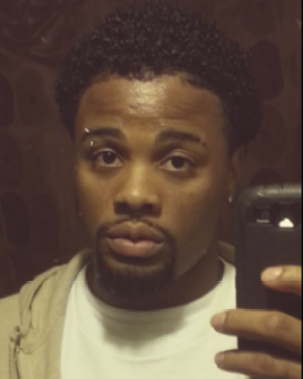
No excuses. Just context. Where Amos Came From.
To understand the tragedy of July 1, we must look at the social structures that isolate marginalized communities in Fort Worth. Amos was born into a system that routinely denies Black families the economic security and healthcare infrastructure necessary to heal from multi-generational trauma. Before he was even born, the safety nets failed his family; while pregnant, his mother survived severe domestic abuse without the intervention of supportive social services.
Children living in chaos often try to protect their parents. Amos was no different. Even when he was just five years old, he would place his 50 pound body between his parents attempting to protect his mother and calm what he could not control. Death lurked in every corner of his early life. Some of the adults who were supposed to protect him instead pulled guns on him.
In the early years of his life, he attended ten different schools. At school, he acted out. He was a child responding to instability, not creating it.
Amos was vulnerable to people around him who were struggling with their own trauma and illness. His father’s repeated incarceration added to the chaos. His mother heard voices and believed that the devil was in her home. Sometimes Amos would have to help hold her down while she writhed in agony, begging the devil out of her.
There was no safety at home or in the community. Around the age of seven, Amos survived a sexual assault. The impact was immediate and profound. He did not have the words to express his pain, but his body knew how. He was incontinent in school. He woke from night terrors. He could not regulate the distress he carried. Poverty led him to state-run mental health services where the care was fragmented, inaccurate, and focused on drugging him, not addressing his family environment. This mitigating information was not fully presented to the jury that decided whether Amos would live or die.
What Went Unseen.
Amos was not simply growing up in instability, he was also struggling with serious, untreated mental illness. From early childhood, he experienced vivid hallucinations, including a large, threatening figure and shadowy forms he believed were moving through his surroundings. Because his mother experienced similar symptoms, she told Amos his delusions were real. Without access to consistent medical care, Amos had no way to understand or manage what he was experiencing.
Years later, independent mental health experts who reviewed Amos’ medical history identified longstanding severe psychotic depression and the long term effects of untreated trauma and neglect. Testing revealed the effects of chronic childhood trauma on brain function. According to doctors, on the night of the crime, Amos was experiencing an acute psychotic episode that made it impossible for him to perceive reality and act accordingly.
This is not what the jury heard.
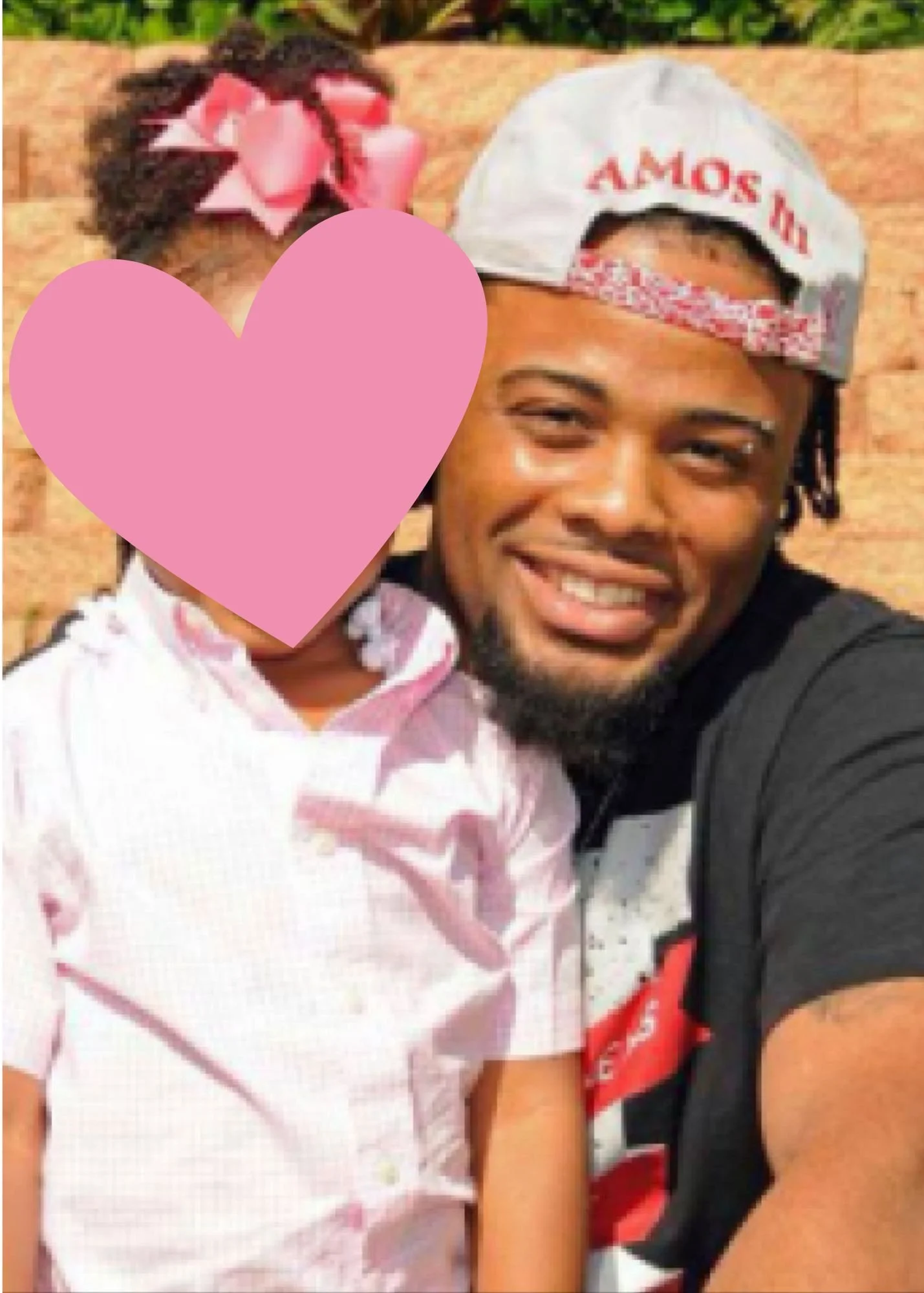
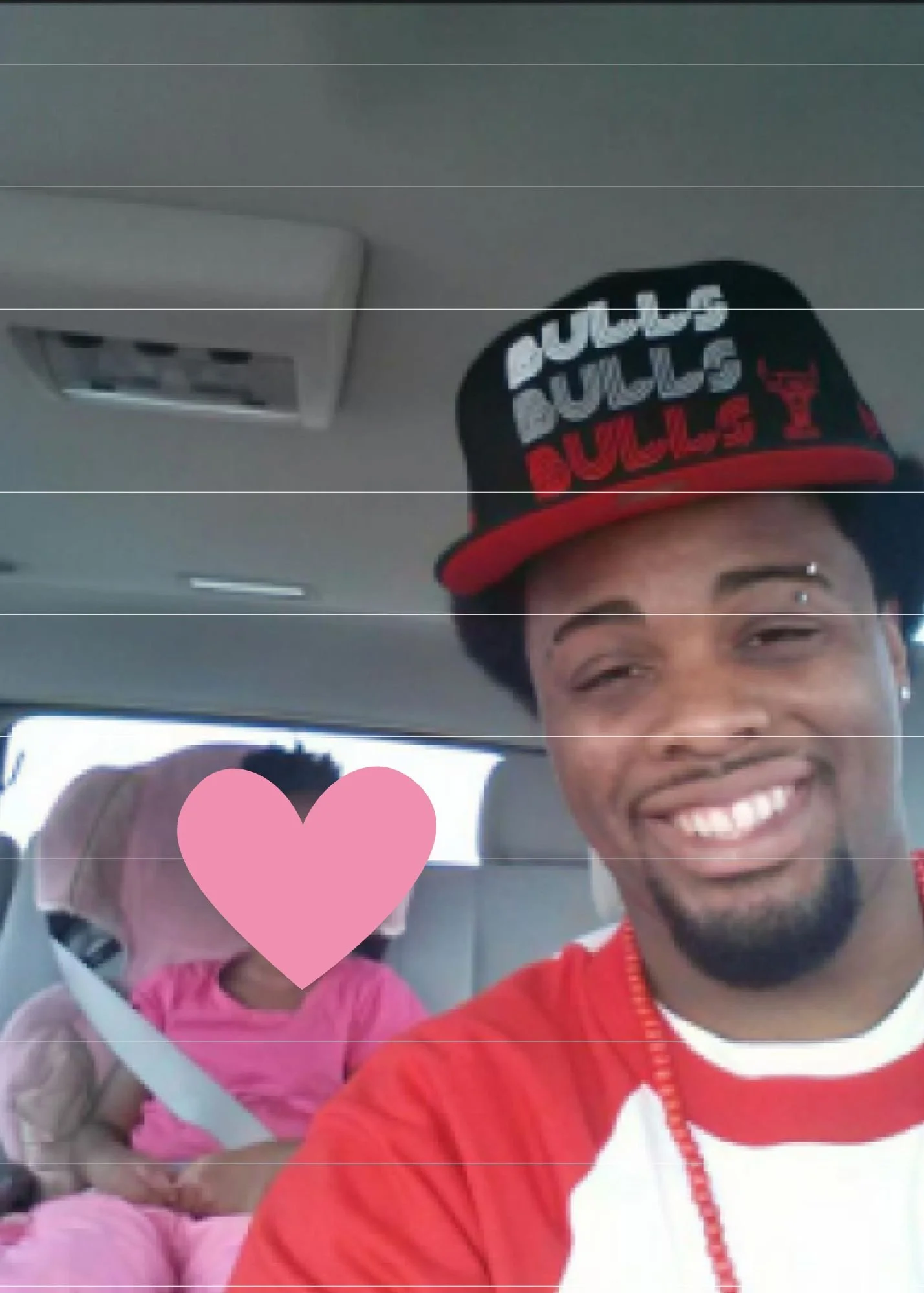
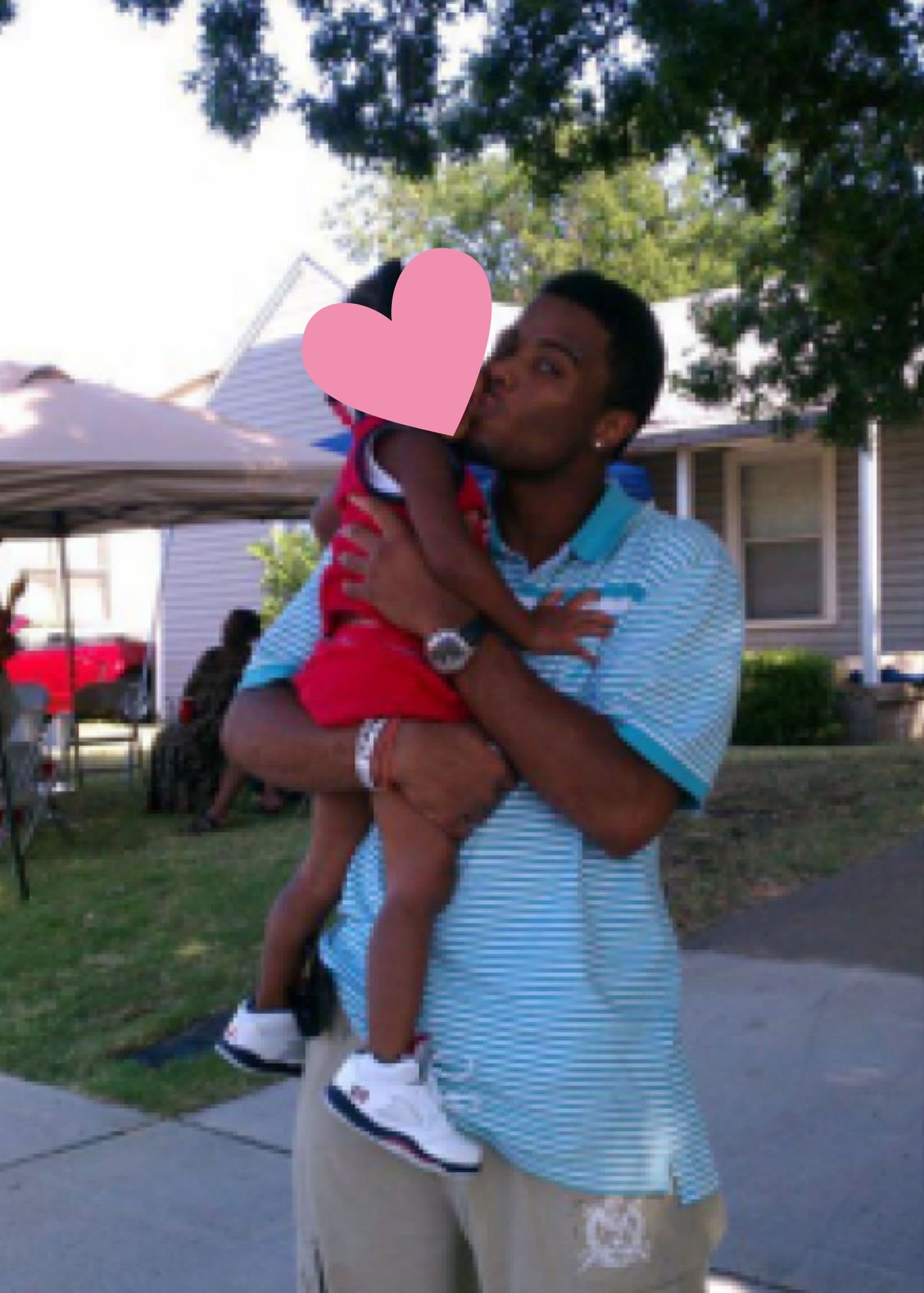
Amos continues to be a loving and caring presence to his young daughter, now a 17-year-old high school senior and “the most important person in his life.” She doesn’t deserve to lose her father.
What This Means.
Nothing can undo what happened on July 1, 2013. Three lives ended, and their families continue to live with that loss every day. This account does not seek to diminish that reality.
This may seem distant from you, but it is not. Our legal system is only as good as the rights it ensures to those among us who have the least resources. To execute Amos Wells even though the jury was denied its right to hear essential evidence is not justice.